Arduino Wrapper for Wire library (for SAM, ESP8266...) code. More...
#include "WireWrapper.h"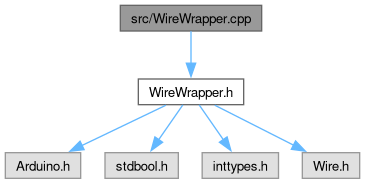
Functions | |
| void | I2C_slave_init (I2C_SLAVE *slave, const uint8_t sl_addr, const I2C_INT_SIZE reg_sz) |
| Init an I2C slave structure for cMI2C communication. | |
| void | I2C_slave_set_rw_func (I2C_SLAVE *slave, const ci2c_fct_ptr func, const I2C_RW rw) |
| Redirect slave I2C read/write function (if needed for advanced use) | |
| bool | I2C_slave_set_addr (I2C_SLAVE *slave, const uint8_t sl_addr) |
| Change I2C slave address. | |
| bool | I2C_slave_set_reg_size (I2C_SLAVE *slave, const I2C_INT_SIZE reg_sz) |
| Change I2C registers map size (for access) | |
| void | I2C_init (const uint16_t speed) |
| Enable I2c module on arduino board (including pull-ups, enabling of ACK, and setting clock frequency) | |
| uint16_t | I2C_set_speed (const uint16_t speed) |
| Change I2C frequency. | |
| uint16_t | I2C_set_timeout (const uint16_t timeout) |
| Change I2C ack timeout. | |
| uint8_t | I2C_set_retries (const uint8_t retries) |
| Change I2C message retries (in case of failure) | |
| bool | I2C_is_busy (void) |
| Get I2C busy status. | |
| I2C_STATUS | I2C_write (I2C_SLAVE *slave, const uint16_t reg_addr, uint8_t *data, const uint16_t bytes) |
| This function writes the provided data to the address specified. | |
| I2C_STATUS | I2C_read (I2C_SLAVE *slave, const uint16_t reg_addr, uint8_t *data, const uint16_t bytes) |
| This function reads data from the address specified and stores this data in the area provided by the pointer. | |
Detailed Description
Arduino Wrapper for Wire library (for SAM, ESP8266...) code.
- Copyright
- MIT SMFSW (2017-2018)
- Warning
- Don't access (r/w) last 16b internal address byte alone right after init, this would lead to hazardous result (in such case, make a dummy read of addr 0 before)
Function Documentation
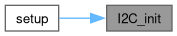
◆ I2C_init()
| void I2C_init | ( | const uint16_t | speed | ) |
Enable I2c module on arduino board (including pull-ups, enabling of ACK, and setting clock frequency)
- GCC Attributes
- inline
- Parameters
-
[in] speed - I2C bus speed in KHz
- Returns
- nothing

◆ I2C_is_busy()
| bool I2C_is_busy | ( | void | ) |
Get I2C busy status.
- Returns
- true if busy
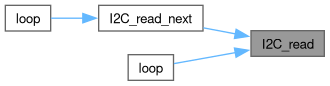
◆ I2C_read()
| I2C_STATUS I2C_read | ( | I2C_SLAVE * | slave, |
| const uint16_t | reg_addr, | ||
| uint8_t * | data, | ||
| const uint16_t | bytes ) |
This function reads data from the address specified and stores this data in the area provided by the pointer.
- Parameters
-
[in,out] slave - pointer to the I2C slave structure [in] reg_addr - register address in register map [in,out] data - pointer to the first byte of a block of data to read [in] bytes - indicates how many bytes of data to read
- Returns
- I2C_STATUS status of read attempt
◆ I2C_set_retries()
| uint8_t I2C_set_retries | ( | const uint8_t | retries | ) |
Change I2C message retries (in case of failure)
- Parameters
-
[in] retries - I2C number of retries (max of 8)
- Returns
- Configured number of retries
◆ I2C_set_speed()
| uint16_t I2C_set_speed | ( | const uint16_t | speed | ) |
Change I2C frequency.
- Parameters
-
[in] speed - I2C speed in kHz (max 3.4MHz)
- Returns
- Configured bus speed

◆ I2C_set_timeout()
| uint16_t I2C_set_timeout | ( | const uint16_t | timeout | ) |
Change I2C ack timeout.
- Parameters
-
[in] timeout - I2C ack timeout (500 ms max)
- Returns
- Configured timeout
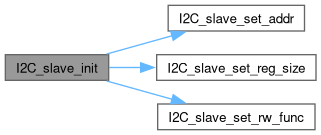
◆ I2C_slave_init()
| void I2C_slave_init | ( | I2C_SLAVE * | slave, |
| const uint8_t | sl_addr, | ||
| const I2C_INT_SIZE | reg_sz ) |
Init an I2C slave structure for cMI2C communication.
- Parameters
-
[in] slave - pointer to the I2C slave structure to init [in] sl_addr - I2C slave address [in] reg_sz - internal register map size
- Returns
- nothing

◆ I2C_slave_set_addr()
| bool I2C_slave_set_addr | ( | I2C_SLAVE * | slave, |
| const uint8_t | sl_addr ) |
Change I2C slave address.
- Parameters
-
[in,out] slave - pointer to the I2C slave structure to init [in] sl_addr - I2C slave address
- Returns
- true if new address set (false if address is >7Fh)

◆ I2C_slave_set_reg_size()
| bool I2C_slave_set_reg_size | ( | I2C_SLAVE * | slave, |
| const I2C_INT_SIZE | reg_sz ) |
Change I2C registers map size (for access)
- Parameters
-
[in,out] slave - pointer to the I2C slave structure [in] reg_sz - internal register map size
- Returns
- true if new size is correct (false otherwise and set to 16bit by default)

◆ I2C_slave_set_rw_func()
| void I2C_slave_set_rw_func | ( | I2C_SLAVE * | slave, |
| const ci2c_fct_ptr | func, | ||
| const I2C_RW | rw ) |
Redirect slave I2C read/write function (if needed for advanced use)
- Parameters
-
[in] slave - pointer to the I2C slave structure to init [in] func - pointer to read/write function to affect [in] rw - 0 = write function, 1 = read function
- Returns
- nothing

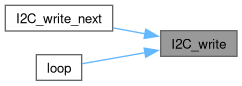
◆ I2C_write()
| I2C_STATUS I2C_write | ( | I2C_SLAVE * | slave, |
| const uint16_t | reg_addr, | ||
| uint8_t * | data, | ||
| const uint16_t | bytes ) |
This function writes the provided data to the address specified.
- Parameters
-
[in,out] slave - pointer to the I2C slave structure [in] reg_addr - register address in register map [in] data - pointer to the first byte of a block of data to write [in] bytes - indicates how many bytes of data to write
- Returns
- I2C_STATUS status of write attempt
Variable Documentation
◆ busy
| bool busy |
true if already busy (in case of interrupts implementation)
◆ [struct]
| struct { ... } cfg |
◆ retries
| uint8_t retries |
i2c message retries when fail
◆ speed
◆ start_wait
| uint16_t start_wait |
time start waiting for acknowledge
◆ timeout
| uint16_t timeout |
i2c timeout (ms)
Generated by
 1.13.2